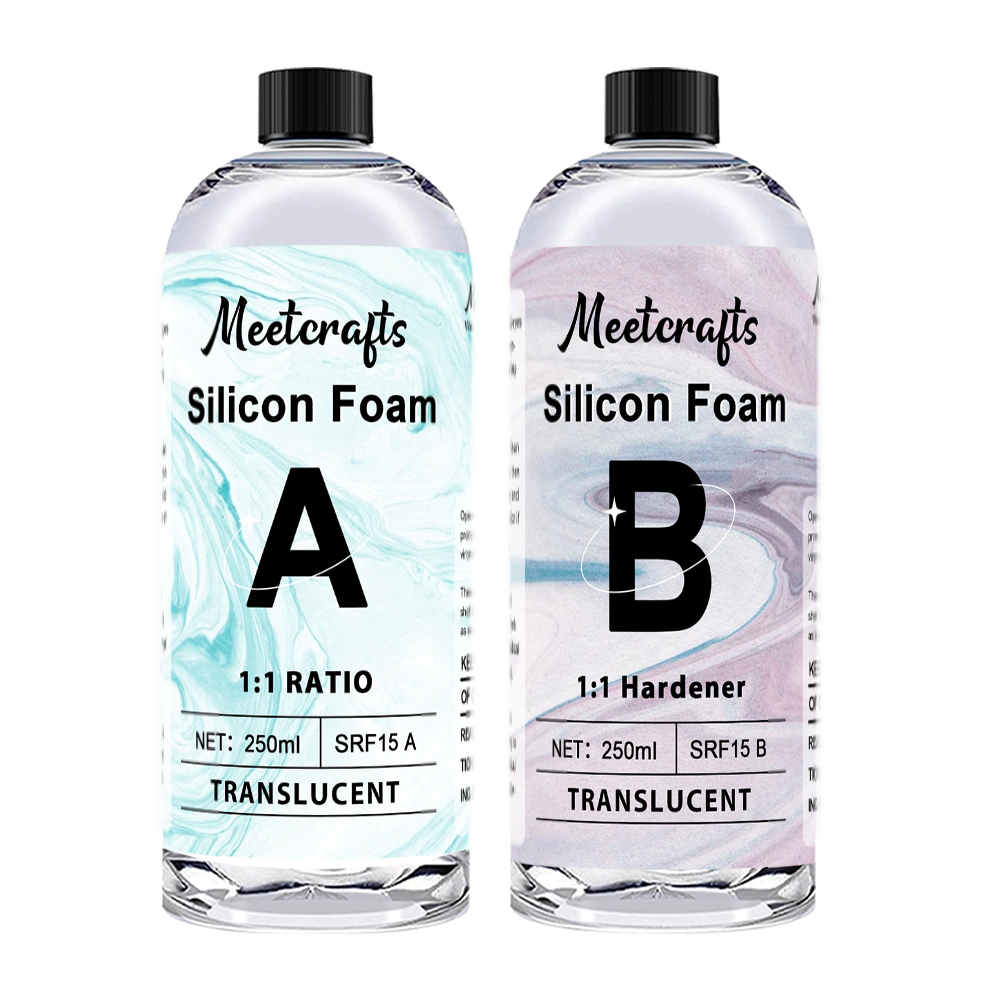
Silicone has become one of the most widely used materials for prosthetics, special-effects appliances, props, and theatrical applications. Compared with older materials such as latex and other flexible elastomers, silicone offers a unique combination of flexibility, durability, and translucency that allows it to more closely resemble skin, tissue, and organic surfaces.
However, the same properties that make silicone visually convincing also make it challenging to color. Artists and fabricators often expect a finish that can withstand handling while still delivering the layered depth and realism commonly associated with film-quality effects. Achieving both durability and realism requires an understanding of how silicone interacts with pigments, coatings, and surface treatments.
Although many techniques are available, there is no universal method that is simultaneously fast, inexpensive, maintenance-free, and capable of producing the highest-end cinematic results. In professional environments, long-term durability is typically achieved through careful material selection and a combination of internal and external coloration methods.
Understanding the strengths and limitations of each approach helps determine which technique is most suitable for a particular project.
The Importance of Internal Coloration
One of the defining characteristics of silicone is its translucency. Light can penetrate the material and scatter beneath the surface before reflecting back to the viewer. This effect creates visual depth that is difficult to achieve with opaque materials.
Because of this property, many fabricators attempt to build as much of the final coloration as possible directly into the silicone before it cures. Internal coloration offers several advantages over surface painting.
Most importantly, pigments dispersed throughout the silicone become part of the material itself. Unlike surface coatings, these colors cannot chip, peel, or wear away through normal handling. The coloration remains stable even when the silicone is stretched, compressed, washed, or repeatedly used.
Highly concentrated silicone-compatible pigments are commonly used for this purpose. Small quantities are mixed into the uncured silicone until the desired base tone is achieved. Since many pigment systems are extremely strong, gradual addition is generally preferred to avoid over-coloration.
Internal pigmentation is particularly effective for establishing the primary skin tone, tissue color, or base appearance of a prosthetic piece. Once cured, the color remains permanently embedded within the silicone matrix.
Creating Visual Depth with Fiber Additives
While uniform coloration can establish a base tone, real skin and organic tissue rarely appear perfectly consistent. Human skin contains countless variations caused by blood vessels, circulation, pigmentation, and underlying anatomical structures.
To reproduce this complexity, many artists incorporate fine fiber additives into translucent silicone.
These fibers are distributed throughout the material and introduce subtle color variation at multiple depths. Because the fibers occupy different positions within the silicone, they interact with transmitted light in a way that creates a more natural and visually complex appearance.
Different colors can be used to simulate different effects. Red fibers may suggest circulation or vascularity, while blue fibers can create the impression of deeper blood vessels beneath the skin. Neutral and flesh-toned fibers can add texture and variation without significantly altering the overall color balance.
The resulting appearance often feels more organic than coloration produced entirely through surface painting. Since the fibers are embedded within the silicone itself, the visual effect remains stable over time and is not affected by routine cleaning or handling.
For this reason, internal pigmentation and fiber-based coloration are often considered the foundation of a durable silicone paint scheme.
Surface Coloring and Silicone Compatibility
Although internal coloration provides depth and durability, many visual details still need to be applied at the surface.
Freckles, bruising, wounds, veins, discoloration, and localized color variations are often too specific to be created solely through internal pigmentation. Surface coloration therefore remains an important part of the finishing process.
The challenge lies in silicone’s chemical characteristics. Silicone has relatively low surface energy and resists bonding with many conventional paints. As a result, coatings designed for other materials frequently crack, peel, transfer, or separate from the surface after repeated use.
For long-term performance, silicone-based coatings generally provide the most reliable solution. Because they share a similar chemistry with the substrate, they can form a much stronger bond than conventional paints.
Adhesion is often most effective when coloring is performed shortly after demolding. Freshly cured silicone surfaces tend to provide the best conditions for bonding, while older surfaces may require additional preparation or testing to achieve comparable results.
When compatibility between the coating and substrate is maintained, the resulting coloration can remain flexible and durable even under significant mechanical stress.
Adjusting Transparency and Texture
One advantage of silicone-based color systems is the ability to control opacity and texture.
By varying pigment concentration, artists can create effects ranging from nearly transparent washes to dense opaque coloration. Thin layers allow underlying pigmentation to remain visible, preserving the depth created during casting. Heavier applications can be used to emphasize localized details or produce stronger visual contrast.
Dilution methods may also be employed to create smoother transitions and translucent color veils. These techniques are particularly useful when attempting to reproduce subtle skin discoloration, shading, or vascular effects.
Application tools influence the final appearance as well. Brushes, stipple sponges, textured applicators, and splatter techniques each create distinctive surface patterns. Because natural skin contains countless irregularities, controlled randomness often contributes significantly to realism.
Through layering and texture variation, a relatively simple color palette can produce a surprisingly complex visual result.
Simulating Blood, Wounds, and Wet Effects
Special-effects applications frequently require more than simple skin coloration. Open wounds, injuries, blood effects, and wet tissue simulations often demand a combination of color, transparency, and surface gloss.
Pigmented silicone can be particularly effective for these purposes because it retains many of the optical properties associated with fluids and soft tissue.
When heavily pigmented, translucent silicone can closely resemble fresh blood. Depending on its consistency during application, it can be brushed, spread, poured, splattered, or allowed to accumulate naturally within sculpted recesses.
Unlike actual liquid effects, cured silicone remains stable after setting. This makes it possible to create convincing blood pools, streaks, and accumulations without the risk of staining surrounding materials.
Carefully sculpted surface detail further enhances the illusion. Raised tissue, damaged skin, and wound cavities can guide the flow of the material during application, helping to create realistic patterns and natural-looking transitions.
The combination of translucency, gloss, and dimensional buildup often produces a convincing illusion of moisture and depth even though the finished surface is completely solid.
Durability and Long-Term Performance
Durability is one of the primary reasons silicone continues to be favored for professional prosthetic and prop work.
When coloration is integrated into the material itself or applied using compatible silicone-based systems, the finished surface can withstand substantial mechanical stress. Stretching, bending, compression, and repeated handling generally have little effect on properly bonded coloration.
Unlike conventional paints that form a rigid film on the surface, silicone-compatible color systems tend to move together with the underlying material. This flexibility reduces the likelihood of cracking and peeling over time.
Routine cleaning typically has minimal impact on embedded pigmentation. Surface coloration created with compatible materials also tends to remain stable when exposed to normal use conditions.
While every application environment presents unique challenges, properly executed silicone coloration systems often maintain their appearance for extended periods with only limited maintenance.
Conclusion
Successful silicone coloration depends on understanding the relationship between material properties, pigments, and surface treatments.
Internal pigmentation provides the foundation by creating durable, abrasion-resistant color throughout the material. Fiber additives contribute visual depth and help reproduce the complexity found in natural tissue. Surface coloration allows artists to introduce localized details, wounds, and texture that would be difficult to achieve through casting alone.
Rather than viewing coloring as a single step, it is more useful to think of it as a layered process that combines multiple techniques. By balancing internal coloration with compatible surface coatings, fabricators can achieve realistic appearances while maintaining the flexibility and durability that make silicone such a valuable material for prosthetics, props, and special-effects work.